


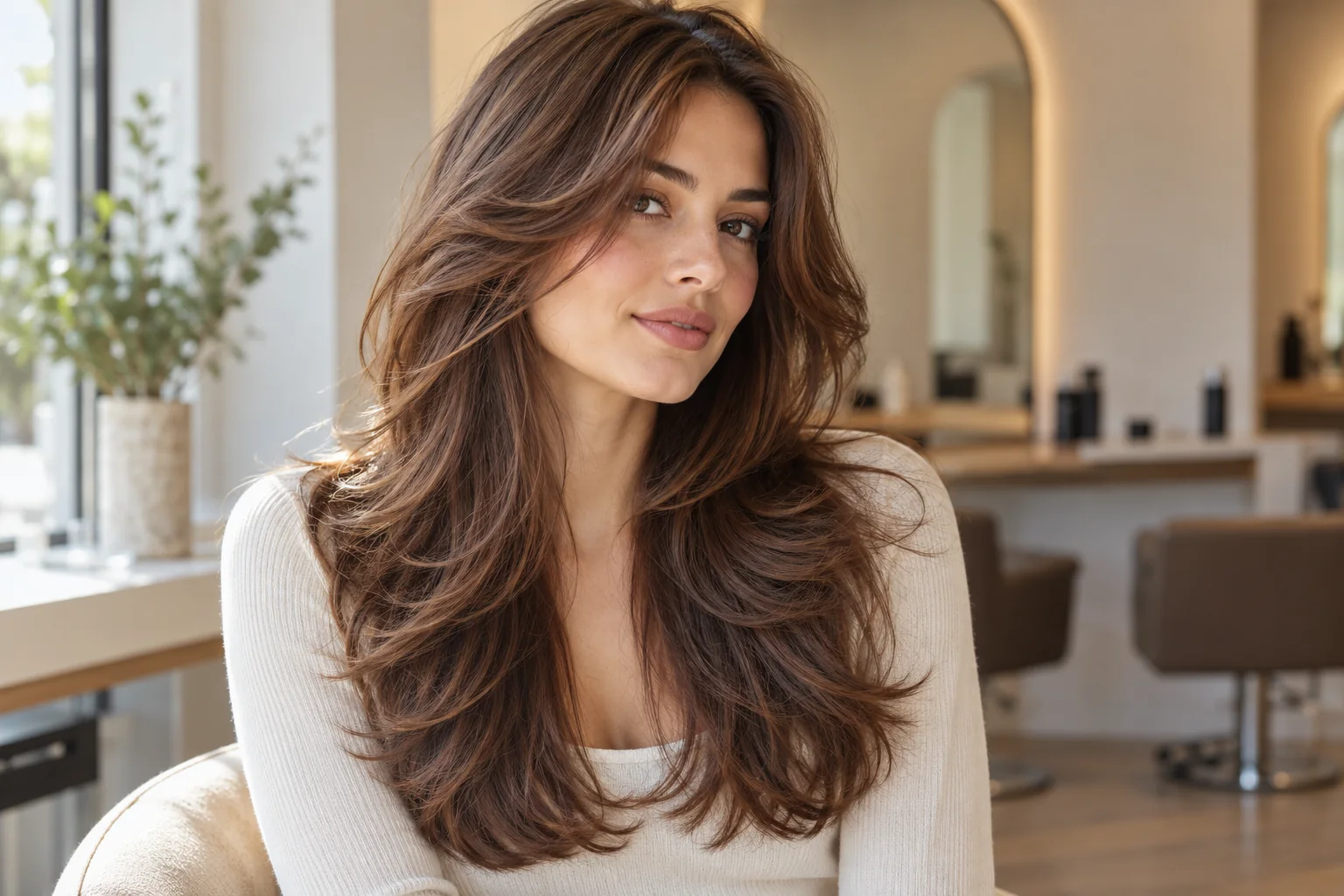
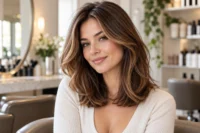
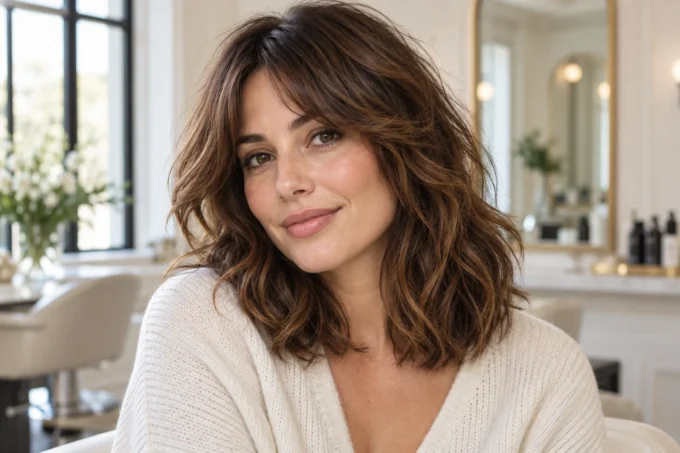
A butterfly haircut combines shorter face-framing layers with longer layers underneath, usually on medium-to-long hair. The sweeping shape in photographs often includes a blowout. The cut can create movement, but it does not guarantee that every layer will curve away from the face when air-dried.
Make it work for you
Choose your starting point
Select the situation closest to yours for a practical next step.
Keeping full long ends matters most: Ask for a restrained face frame and longer interior layers. Confirm the minimum perimeter fullness before texturizing.
I want the big sweeping photo finish: Discuss the blowout or roller routine as well as the cut. Ask for a demonstration using tools you actually own.
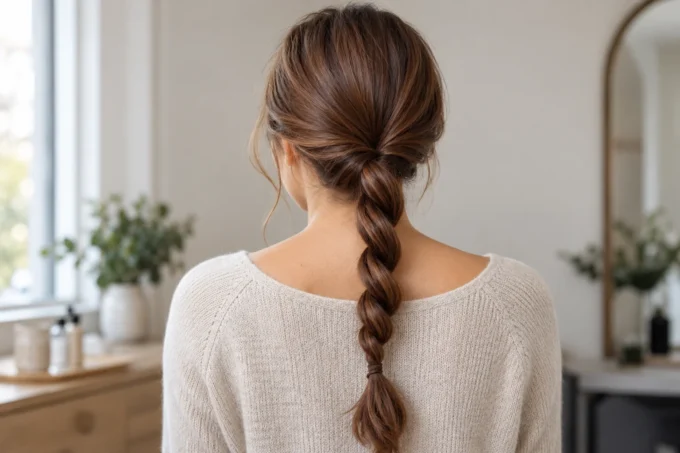
I need a ponytail every day: Show the normal tie position and identify the front pieces that must reach. Choose their length before adding shorter layers.
Your preparation card
Check before you start
Tick each item as you work through it. Your selections stay on this page and reset when it is reloaded.
0 of 5 complete
Separate three different lengths
First identify the shortest front piece, then the shortest interior layer, then the overall back length. A reference can preserve long ends while placing substantial short layers around the face. “Keep my length” is therefore too vague on its own.
| Area | What to agree on | Why it matters |
|---|---|---|
| Face frame | Shortest dry landmark near cheek, jaw or below | Controls sweep and tie-back |
| Interior layers | Where the shorter pieces begin | Changes movement and the amount left at the ends |
| Perimeter | Minimum overall length and fullness | Protects the outline you want to keep |
Use our long haircut guide if preserving a full lower edge is your main priority.
Look past the styled front view
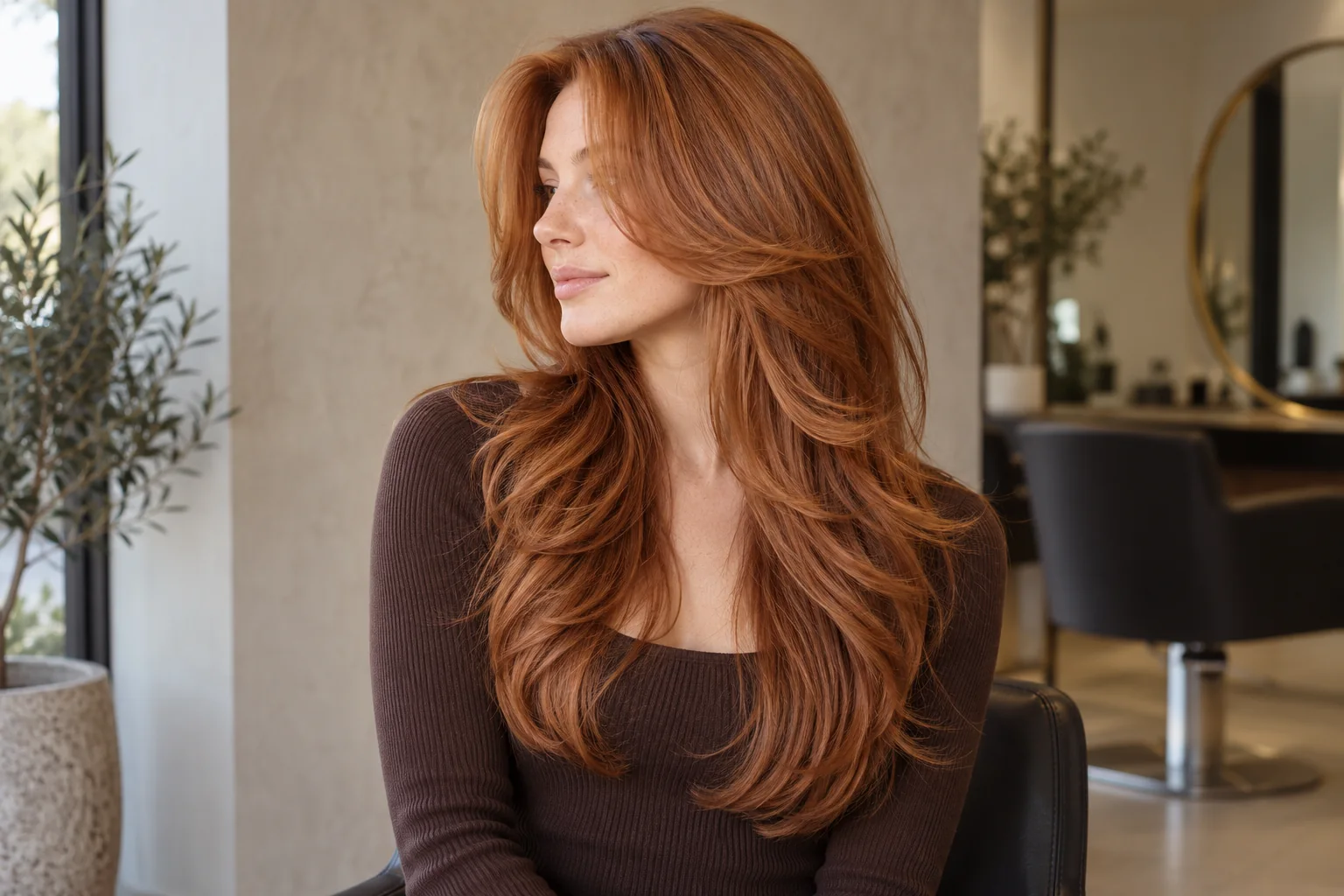
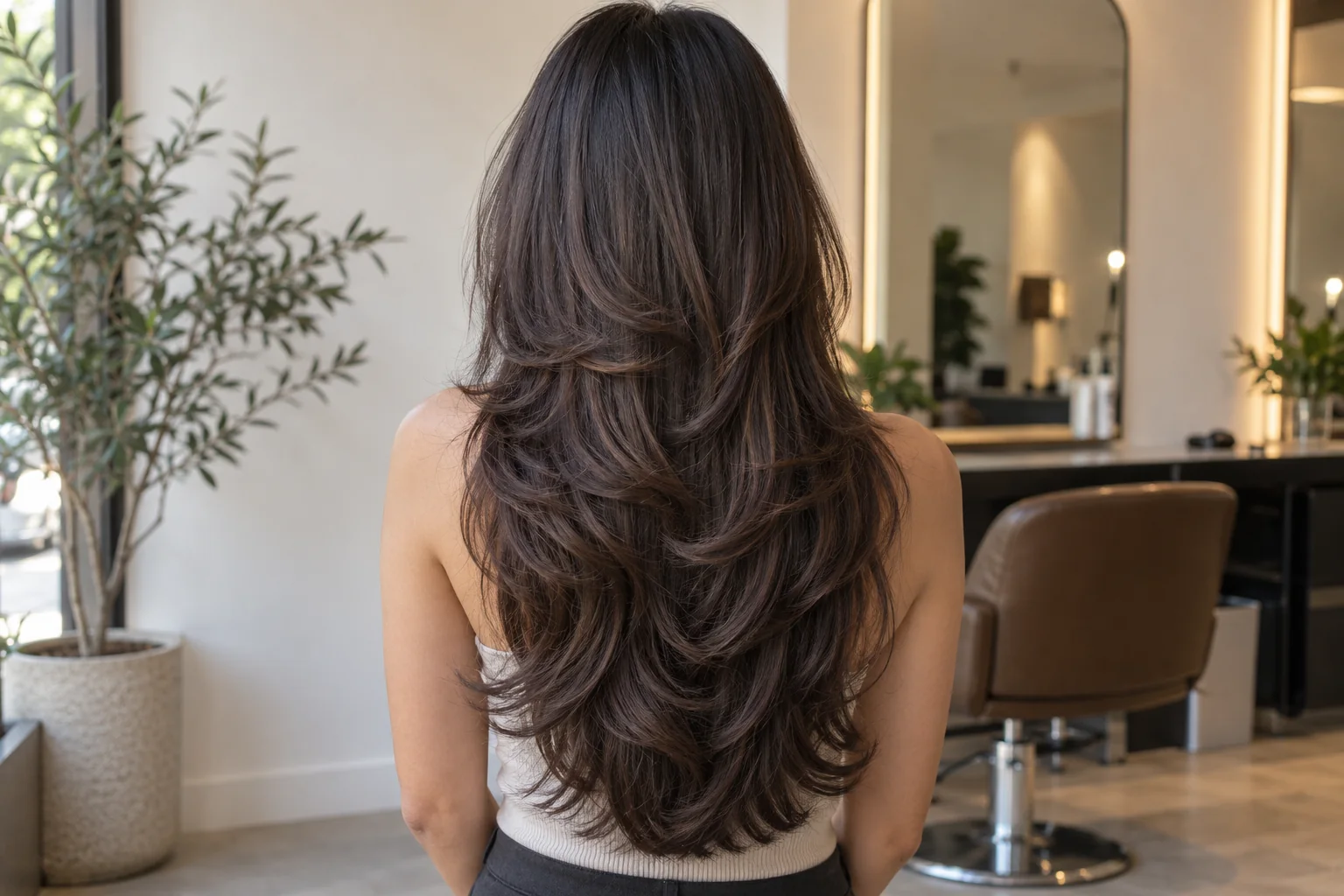
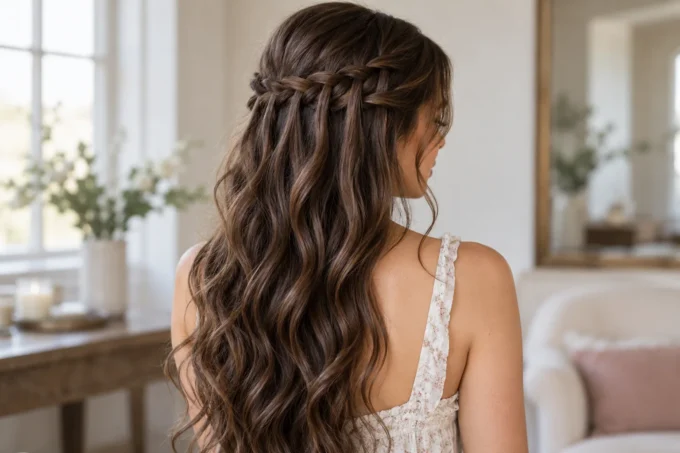
A front photograph shows the sweep but may hide a thin back perimeter. Ask to see a back view and a side view in a similar texture and length. Notice whether the ends have been rolled, brushed or curled to create the layered outline.
If your hair is naturally straight, the shorter front may lie flatter without styling. If it is wavy or curly, layers may spring up and sit much shorter. Choose references that resemble your normal finish, and tell the stylist when you wear your texture differently.
Butterfly layers are not the same as a wolf cut’s stronger short-crown, long-nape contrast. They can also overlap with long shag or face-framing requests. Ask for the actual layer placement rather than insisting on a name.
Decide how much weight to retain
On lower-density lengths, many short layers can leave less fullness at the bottom. Ask whether a more restrained face frame and longer interior layers would give enough movement. Fine strands and low density are not identical, so discuss both.
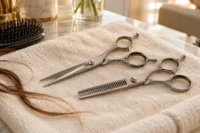
On dense hair, a stylist may adjust internal weight selectively. “Thin it out” does not specify where you want less bulk, and removing too much at the ends can undermine a flowing outline. Point to the areas that feel heavy in your current cut.
If ponytails, braids or claw clips are daily essentials, show the intended base position. Test which front pieces need to reach before selecting their shortest length.
Style a softer sweep at home
- Arrange the part and detangle using your normal routine.
- Separate the face-framing area from the longer back.
- If blow-drying, work manageable sections and guide the front in the direction you want it to curve.
- Use the lowest effective heat and keep airflow moving away from the scalp.
- Let each shaped section cool before pulling it straight or repeatedly brushing it.
- Arrange the finished layers with your hands and assess before adding more product or heat.
Our 90s blowout tutorial explains sectioning and cooling. For an optional setting tool, see Velcro roller placement. Neither tool changes the underlying layer length.
Bring a usable salon brief
Try: “I want a cheek-to-jaw face frame with longer layers through the back. Keep the lower edge substantial, and show me the shortest layer before cutting. I need the sides to reach my normal ponytail.” Change the landmarks to fit your preferences.
Discuss the grow-out in separate areas. A front piece that is too short may interrupt a braid long after the overall length looks unchanged. Ask what the cut will look like without the polished finish in your reference.
Avoid recreating a dramatic social-media ponytail cut without a full assessment. A single pulled-forward section does not show the eventual side and back balance.
Common questions
Can a butterfly haircut keep my length?
It can preserve the overall back length while shortening substantial sections elsewhere. Specify which lengths and fullness must stay.
Will it look the same air-dried?
That depends on your texture and growth pattern. A blowout reference often shows a styled bend rather than the cut alone.
Is it the same as curtain bangs?
No. Curtain bangs describe a front fringe. Butterfly layering involves the wider cut, though the two can be combined.
Related guides
- Long Haircuts for Women: Layers, Shape and Maintenance
- How to Do a 90s Blowout at Home
- Curtain Bangs: Length, Parting and What to Ask Your Stylist
Sources and further learning
External references explain the underlying techniques or haircut terminology. The chooser is a starting point for practice or a salon conversation. Images are AI-generated references, not a documented step-by-step salon demonstration.







Leave a comment